
Whoa, this is different. I first tried a Tangem NFC card last summer. It fit in my wallet like a credit card and woke when tapped. Initially I thought it was just a gimmick, but after several months of on‑the‑road use I found it to be a low-friction way to hold keys that doesn’t require memorizing or writing down seed phrases, which is a big deal for folks who don’t live in command-line land. My instinct said it would be delicate, though it proved surprisingly sturdy.
Really, surprisingly sturdy. The card is passive until NFC wakes it, and that changes the threat model. Because there is no exposed screen and no battery, it’s less attack surface than a smartphone holding a hot wallet. Using it feels like tapping your keycard to confirm, which is intuitive for most people. On one hand that simplicity reduces human error and phishing vectors, though actually there are trade-offs — you lose the visual confirmation of an OLED screen and you have to trust the card’s firmware and manufacturing chain, which means supply security and provenance matter a lot.
Here’s the thing. If you’re migrating from seed phrases, expect a learning curve, but it’s manageable. I had to change my mental model of backups and think about physical custody differently. Initially I thought a single card would be enough for most users, but then I realized that redundancy—with a paired second card, secure storage in different locations, or combining with a familiar cold wallet—provides resilience against loss or damage, which matters when your private keys are the only keys to your funds. Here’s what bugs me about convenience: people often settle for it and skip backups.
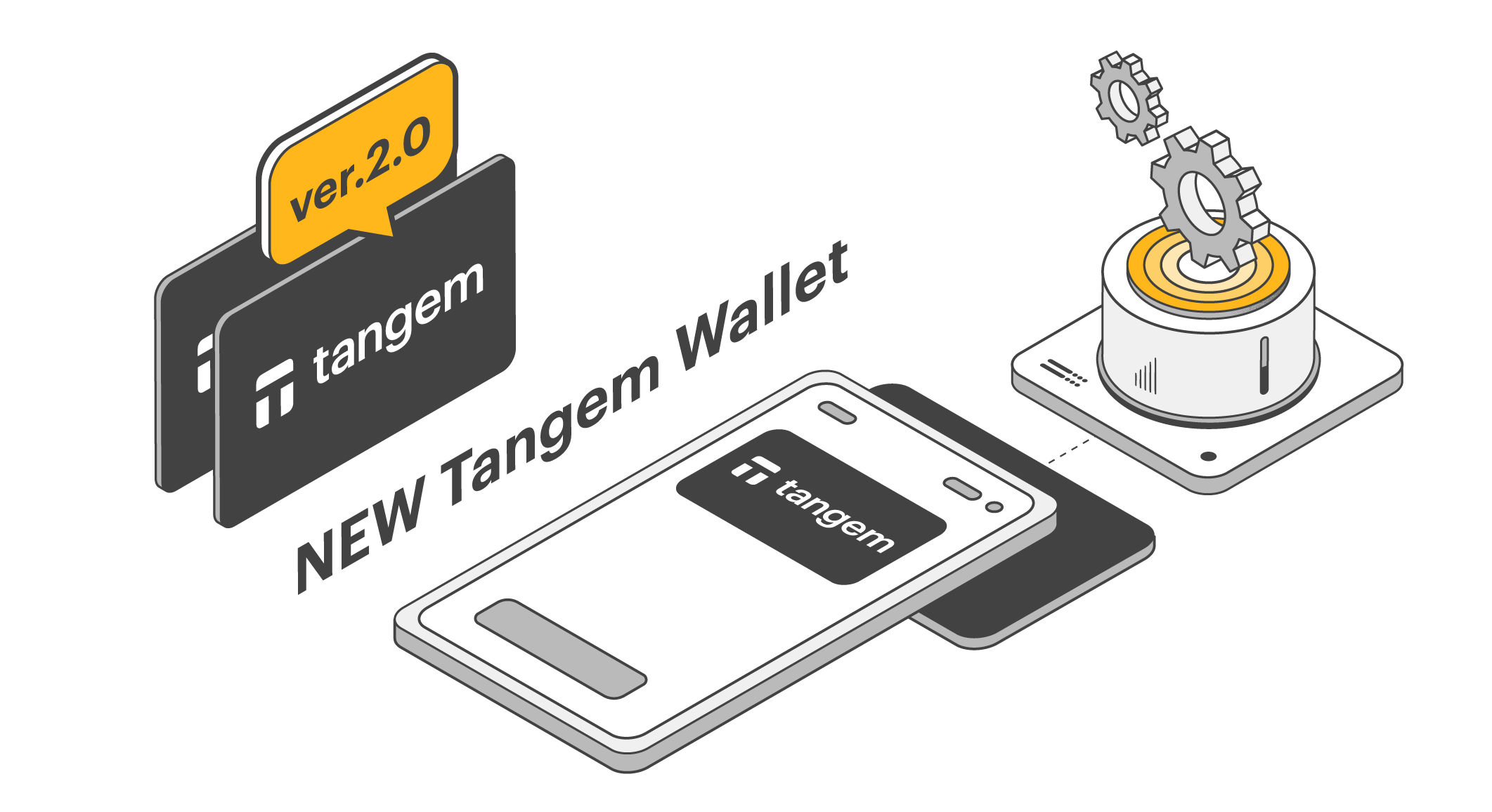
Practical pros and cons (from use, not brochure-speak)
Hmm, not perfect. Tangem cards use secure elements certified to certain standards, and that hardware-level isolation is their primary strength. You tap the card, sign a transaction, and the private key never leaves the secure element. However, supply-chain risks and closed-source elements can give privacy and auditability-minded users pause, because full transparency on implementation is sometimes limited and that trade-off between user friendliness and open cryptographic verification is something I weigh carefully. Okay, so check this out—if you value plug-and-play experience, this is very attractive.
I’ll be honest. Setup is simple: tap, pair, set a PIN, and store. Recovery differs from traditional seed phrases; the card holds the private key without a copyable seed, which changes how you think about backups. That model is elegant for reducing user mistakes and seed leakage, though actually it forces you to plan for card loss with a purchased backup card or custody strategy, and if you lose every assigned card before you have a backup, recovery becomes practically impossible, which is a scary thought. So buy an extra card and store it separately.
Somethin’ that bugs me here is the marketing fuzz sometimes. The ecosystem varies by coin support and wallet integration, so check compatibility before committing. For example, mobile apps handle different UX and not all chains may be fully supported. If you prioritize a minimal footprint and NFC-only convenience, an NFC card like tangem can replace a bulky device, but if you want on-device display verification and broad open-source tooling, a traditional hardware wallet might still be preferable for certain advanced workflows. My final take: it’s practical, trustworthy for many users, and worth considering.
FAQ
How secure is an NFC card compared to a seeded hardware wallet?
Short answer: very secure, but different. The secure element in the card keeps keys isolated and resists physical extraction, which is similar to what high-end hardware wallets aim for. This is very very important for everyday security. On the flip side, you trade some transparency and the ability to export a mnemonic, so your recovery plan needs to be more physical (a backup card, safe deposit box, trusted person, etc.).
What should I do before buying one?
Check coin support and app compatibility, order from trusted vendors, and buy at least one backup card (store it separately). Also, practice a recovery drill so you know the limits of your setup… trust but verify.